

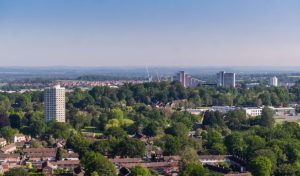
9 Crown Row, Bracknell, Berkshire, RG12 0TH

9 Crown Row, Bracknell, Berkshire, RG12 0TH
62 High Street, Sunninghill, Ascot, Berkshire, SL5 9NN


Sales Valuer
Freya started her career in estate agency at the age of 18. Founding her love of property through her Dad who was a developer, she has gained many years experience selling and valuing properties across Berkshire, but having been born in Heatherwood Hospital, she has Ascot in her veins! Friendly and personable, Freya is passionate about helping clients and enjoys building new relationships. Away from work, she loves travelling with the family, pub gardens, shopping, and most importantly spending time with her dog, Dolly the Maltipoo!
One of my funniest memories is…
Swimming with pigs in the Bahamas.
You might be surpsied to know that…
Elton John has been my neighbour.
On Sunday mornings, you can usually find me…
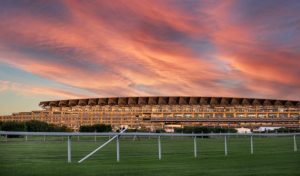
Walking the dog around Ascot racecourse.
My guilty pleasures are…
Prosecco, Prosecco, Prosecco!
The thing I like best about my job is…
The people.
The best piece of advice I’ve been given is…
You come into this world with no money, and you go out this world with no money.
29 Nov 2016

Many people do not realise that the British legal system we still use today in England and Wales is derived from the old feudal system where the King owned all land and assets (and even some people). In fact, strictly speaking, the Crown still owns all land in the UK. What we think of as ownership is actually a legal interest to use, mortgage, sell, occupy land or buildings.
There are several interests in land. They include Freehold (Fee Absolute in Possession to give it its proper title) and Leasehold as well as mining rights, rights held by mortgagors (the lender holds a lien on a property) or occupiers (under a periodic tenancy, tenancy at will, or under licence or through prescribed rights such as adverse possession).
There are also rights of way to pass over land or under it (known as an easements or wayleave).
Freehold interest differs from a leasehold interest in that a freehold interest is held in perpetuity, whereas a leasehold interest is determinate. In other words, at some time it will expire. Also, a consideration (the rent) is payable from the lessee (the tenant) to the lessor (the landlord). This might be anything and whilst in most cases the rent will be an agreed sum of money, which might be reviewed over time in accordance with the terms of the lease, it might also be a single peppercorn!
A Freehold interest includes everything above and below the property, unless such rights are restricted. Therefore, flats cannot be Freehold. Sometimes, through drafting errors a ‘flying freehold’ might be created. In such cases this creates a ‘defective title’.
Flats and some houses are therefore sold on long leases, usually over 99 years in length. 999 years is not uncommon. If you own such a lease personally you are likely to have rights to purchase the freehold interest for a prescribed sum. In the case of a flat, you might have rights to buy a share of the freehold, together with your neighbouring lessees. This is known as your right to enfranchisement and the mechanism enfranchisement is set out in statute.
Most leases will require the payment of a service charge (which pays towards the maintenance of common areas such as the roof, stairwells and car parking areas) and a ground rent. This might be a peppercorn which is never claimed or it could be several hundred pounds. Payment of the ground rent and a reasonable service charge are required under the lease and failure to do so can result in serious consequences.
In many cases, the only practical difference between a freehold and new 999 year lease is that the lease allows the creator of the interest (the landlord) to include various obligations within it. This might be anything, from restricting the parking of caravans on the driveway to keeping your garden in good order! The terms are usually included for the good of the larger community and it is a very effective way to maintain standards or repair and good neighbourliness.
Get in touch




 General news
 General news
 General news